
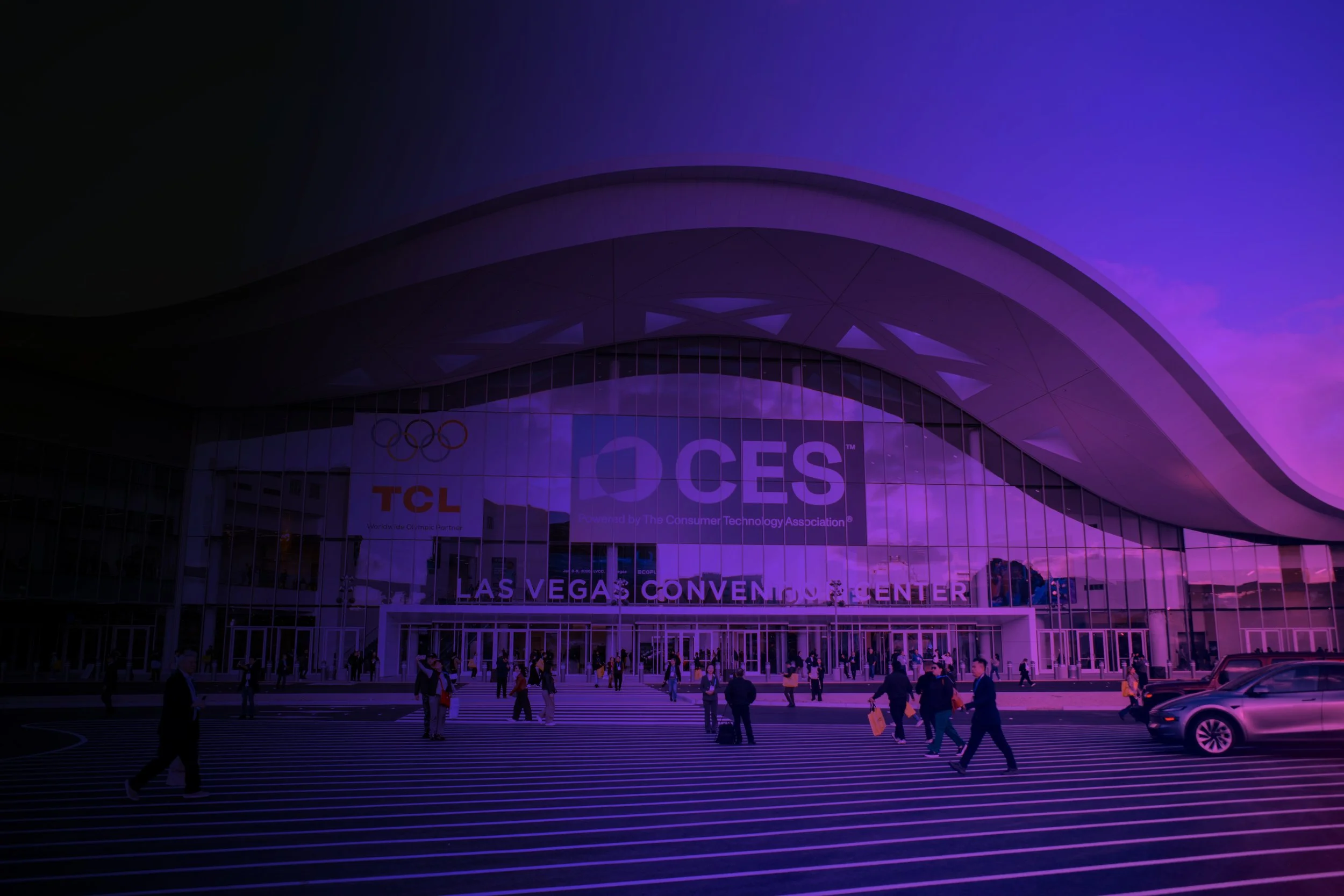
January 6-9 | Las Vegas
CES

148K+
4k+
Attendees from around the world
Exhibiting companies
2.6M SQ.FT.
55%.
Total exhibition space
Attendees at senior leadership level
7k+
150+
Media and industry analysts
Countries represented
What CES Signals Now
From Taylor’s View:
CES is still loud. Still overwhelming. Still full of big promises.
But this year felt different. Less posturing. More intent.
Brands were more focused on proving value than competing for attention. AI was everywhere, but the conversation moved from speculation to application.
With more than 148,000 attendees and 4,100 exhibitors across 2.6 million square feet, CES remains the largest stage in technology. But scale is no longer the story.
From our time on the floor, building and supporting real programs, a few things stood out.
What The Show Floor Revealed
-
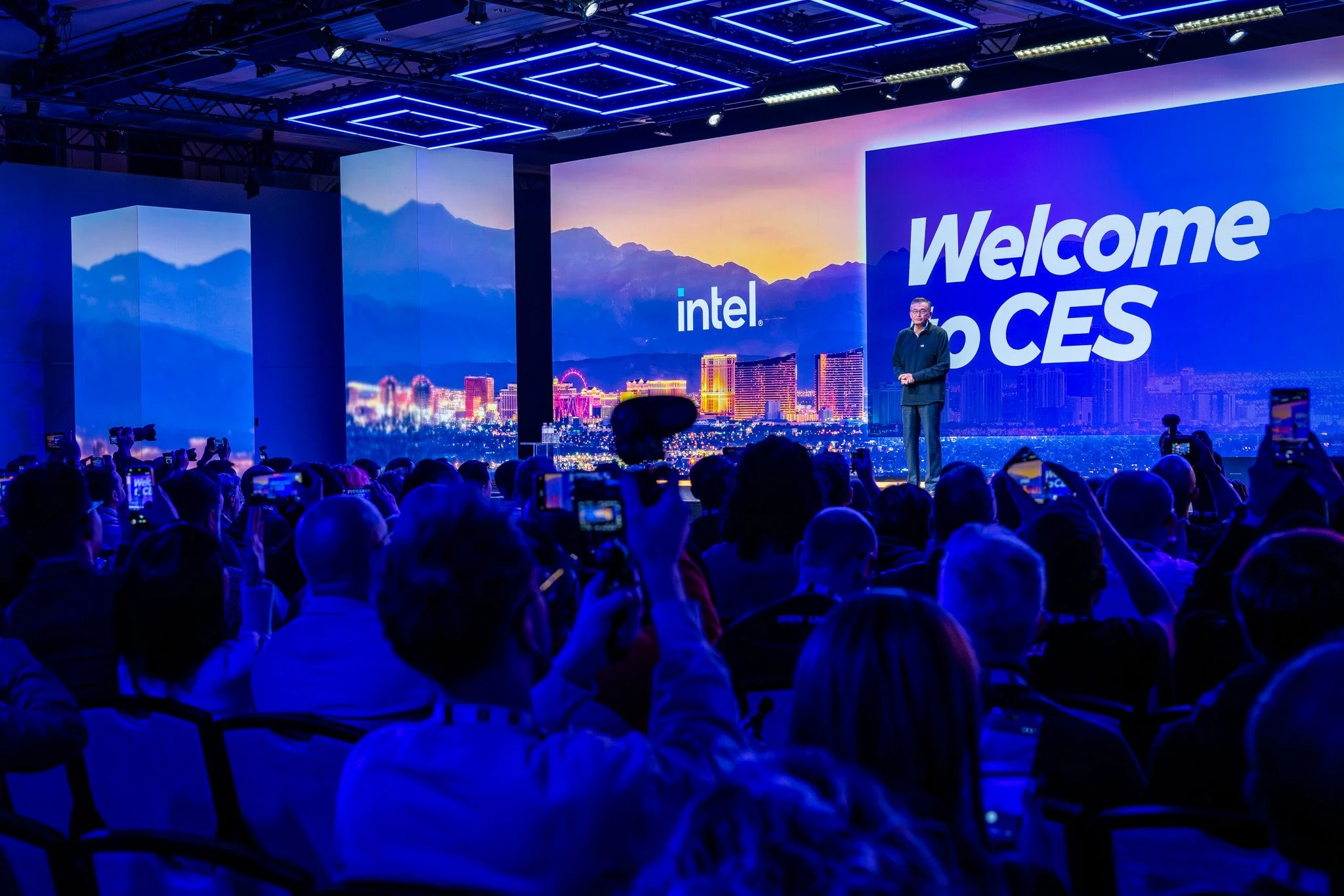
The spaces that held attention longest weren't the biggest or most packed with content. They were the ones that limited the number of demos and gave each one room to breathe. Intel showed just nine experiences across its entire showcase. The result: people stayed, asked questions, and engaged with the technology rather than scanning and moving on.
-
More exhibitors are designing structures that adapt across shows, not just for one moment. Flexible systems, reconfigurable displays, and components built for reuse are showing up more frequently, driven as much by budget discipline and sustainability requirements as by creative ambition.
-
The strongest product launches didn't try to accelerate understanding, they slowed it down. Timed entry, guided sequences, and environments that controlled how quickly visitors moved through the space gave complex technology room to land. Panasonic's timed-entry cinematic walkthrough was a standout example.
-
At a show where senior leadership made up over half the audience, the booths that demonstrated real product performance built the most credibility. Working systems, live data, and hands-on proof outperformed polished concept presentations. Attendees at this level aren't impressed by production value alone. They're evaluating whether the technology actually works.
-
AI branding was everywhere at CES. The brands that stood out were the ones showing it running in real systems, solving real problems, connected to actual workflows. The gap between AI as a talking point and AI as a working product was the clearest dividing line on the floor.
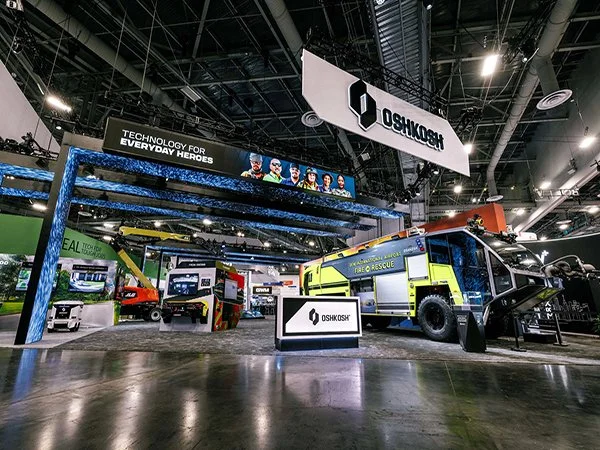
Standout Experiences
These experiences show how a handful of companies translated those principles into real experiences across the show.
Intel
Panther Lake Launch Experience
What we built
Intel turned the Venetian’s Delfino Ballroom into a glowing “compute cloud” to launch its Core Ultra Series 3 processors: a modern keynote stage connected to a compact technology showcase through an LED spark tunnel, anchored by a hyper-realistic 3D panther sculpture inside a transparent cube. Cameras fed crowd-movement data into a system built on Intel’s OpenVINO toolkit, making the panther appear to notice and engage where visitors gathered. Around it, just nine demos showcased AI laptops, handheld gaming systems, robotics and automotive applications built on the new Panther Lake platform.
Why it worked
Intel resisted the urge to overbuild. By limiting the number of demos and focusing on real applications, the space felt curated and credible. The design mirrored the message behind the technology itself: powerful AI infrastructure that operates quietly in the background.
The most powerful technology doesn’t need to shout.
At CES, Intel proved that clarity beats complexity.
Dassault Systèmes
What we built
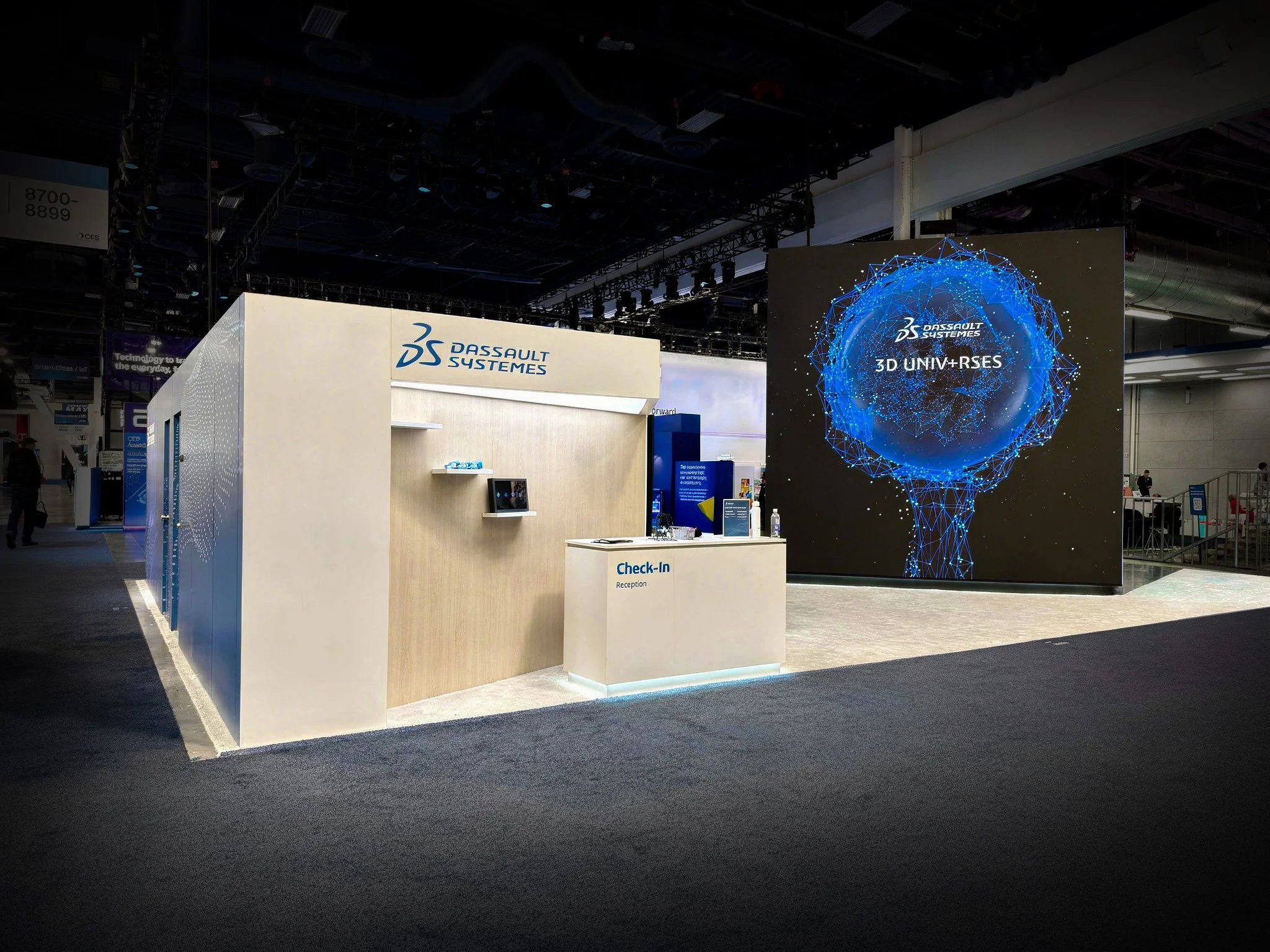
Dassault Systèmes created an illuminated cube where visitors could “Step Inside Alzheimer’s.” The experience used the company’s 3DEXPERIENCE platform to visualize a virtual twin of a patient, combining AI, biosensor data and digital health records. Participants explored the system through three perspectives—patient, caregiver and researcher—moving between digital environments representing the body, the home and the brain.
Why it worked
Instead of focusing on technical features, the experience told a human story. Interactive visuals showed how virtual twins could predict health changes, guide treatment decisions and improve clinical research. In a hall full of gadgets, Dassault stood out by making complex technology feel personal and understandable.
Step Inside Alzheimer’s
In a hall full of gadgets, Dassault focused on something deeper: understanding the human behind the technology.
More from the floor
Bosch Multisensory cooking show
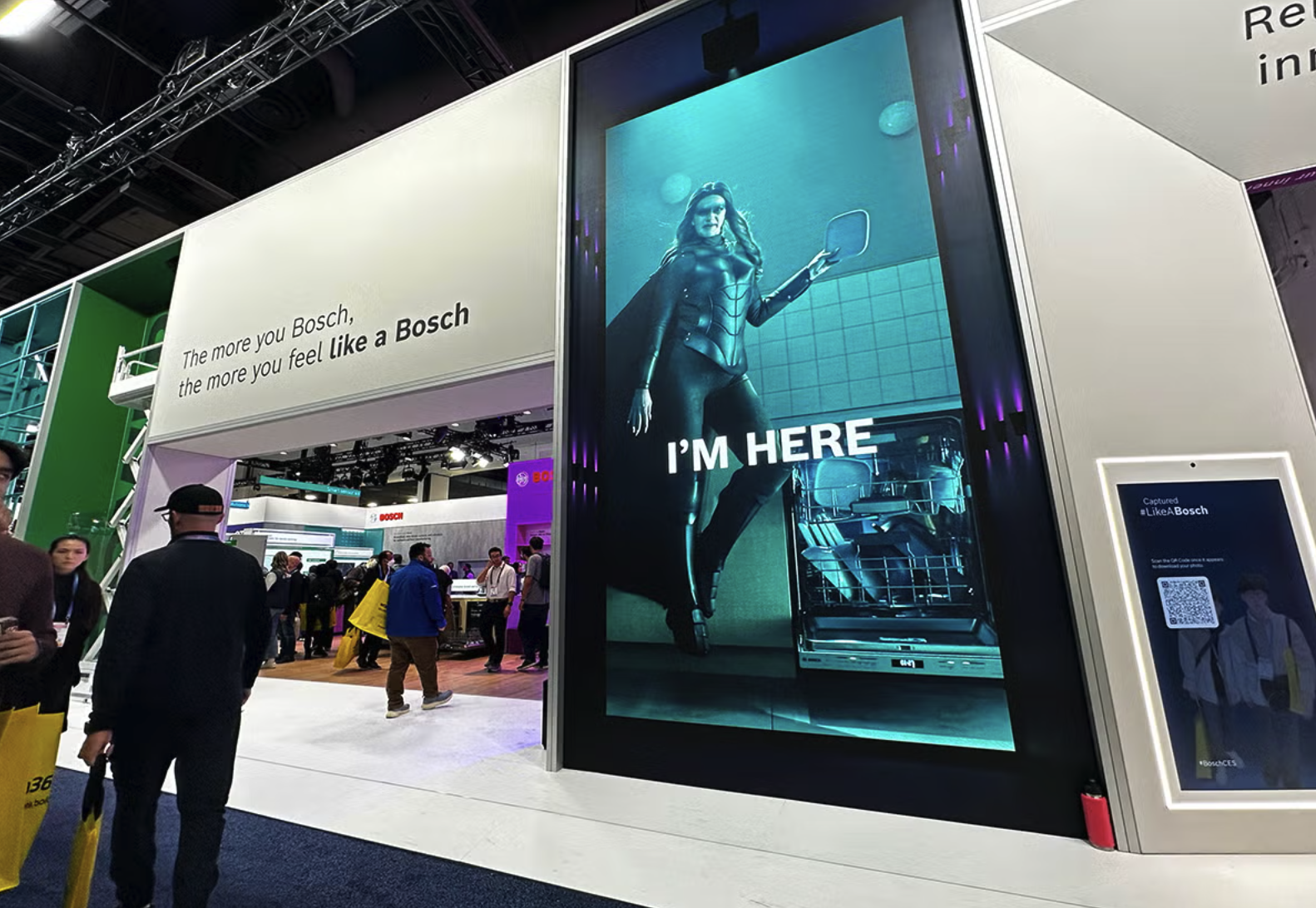
Bosch staged its largest CES presence to date, anchored by live cooking battles featuring celebrity chefs from Top Chef and Food Network. The demos introduced Bosch Cook AI — an adaptive system that guides cooking in real time — making advanced appliance technology feel immediately useful. Oversized, playful product displays and a "Like a Bosch" photo activation kept the energy high across the full space. It was a reminder that the best technology demos start with a human experience people already understand.
LG Gamers paradise
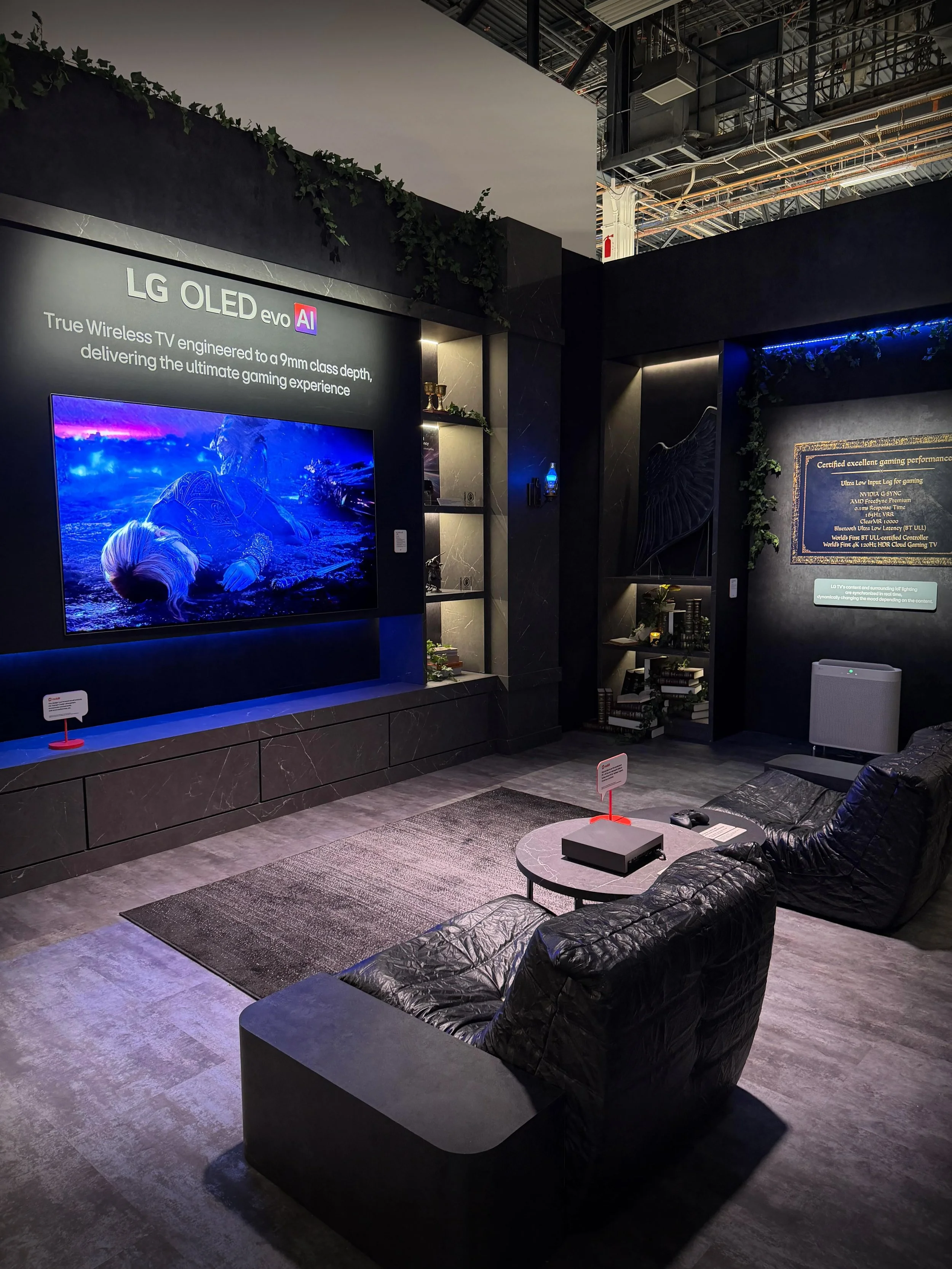
LG built a neon-lit gaming cave packed with OLED displays and live community content. The environment felt like stepping inside gaming culture itself, complete with streaming reactions and constant photo moments. It showcased display performance while tapping directly into the energy of the gaming community.
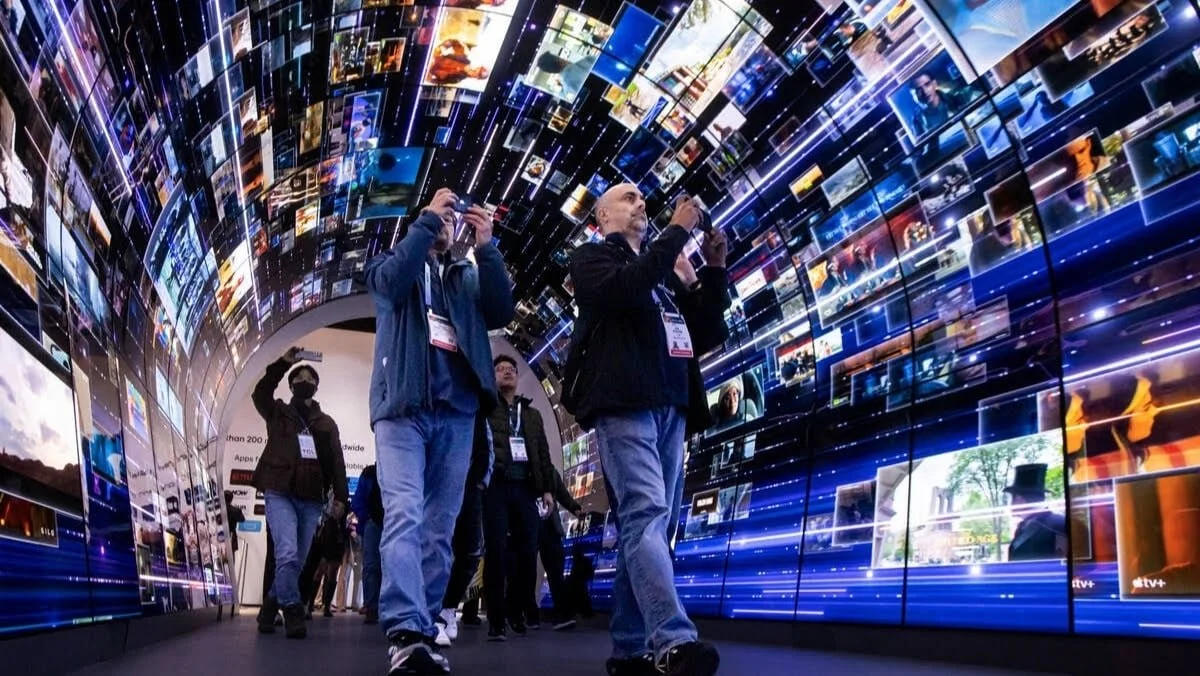
Panasonic 360° brand immersion
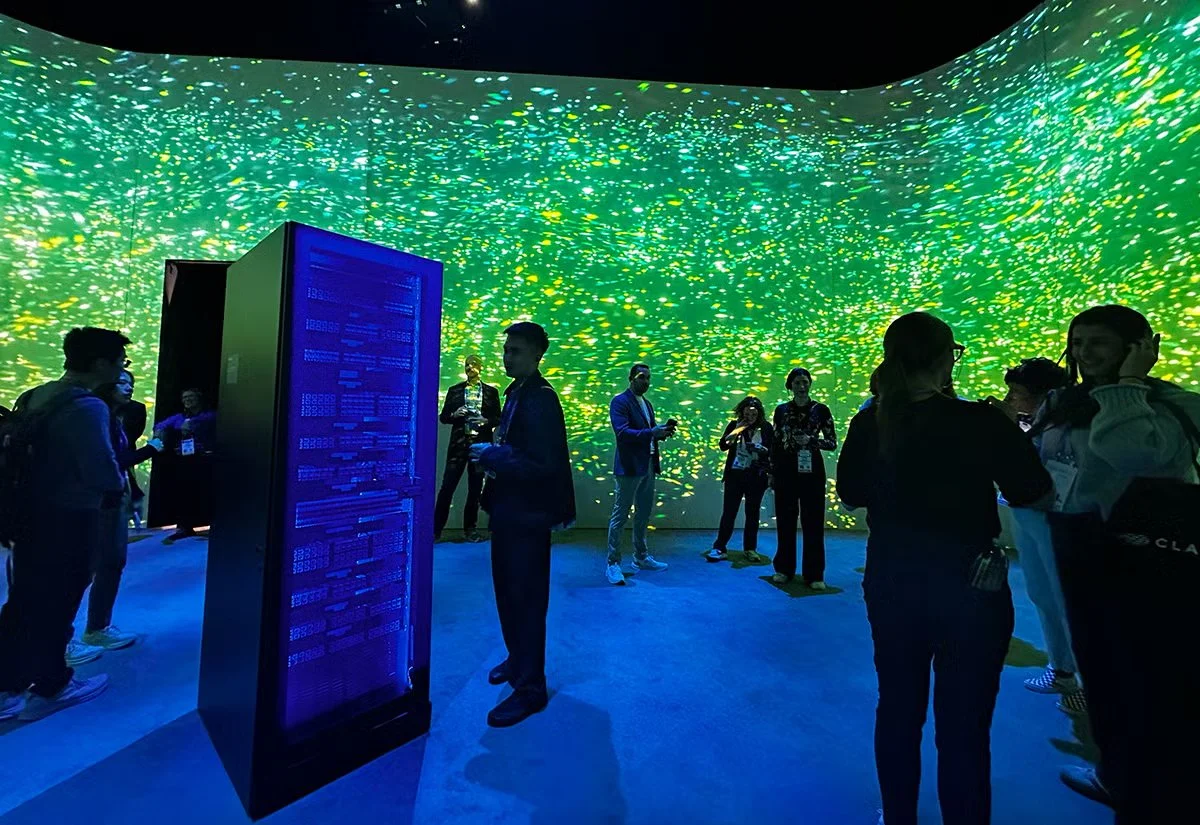
Panasonic surrounded visitors with a cinematic wraparound video wall that told the story of “The Future We Make.” The fully enclosed environment turned a traditional product showcase into a narrative experience, proving that cohesive storytelling can elevate even highly technical technology brands.
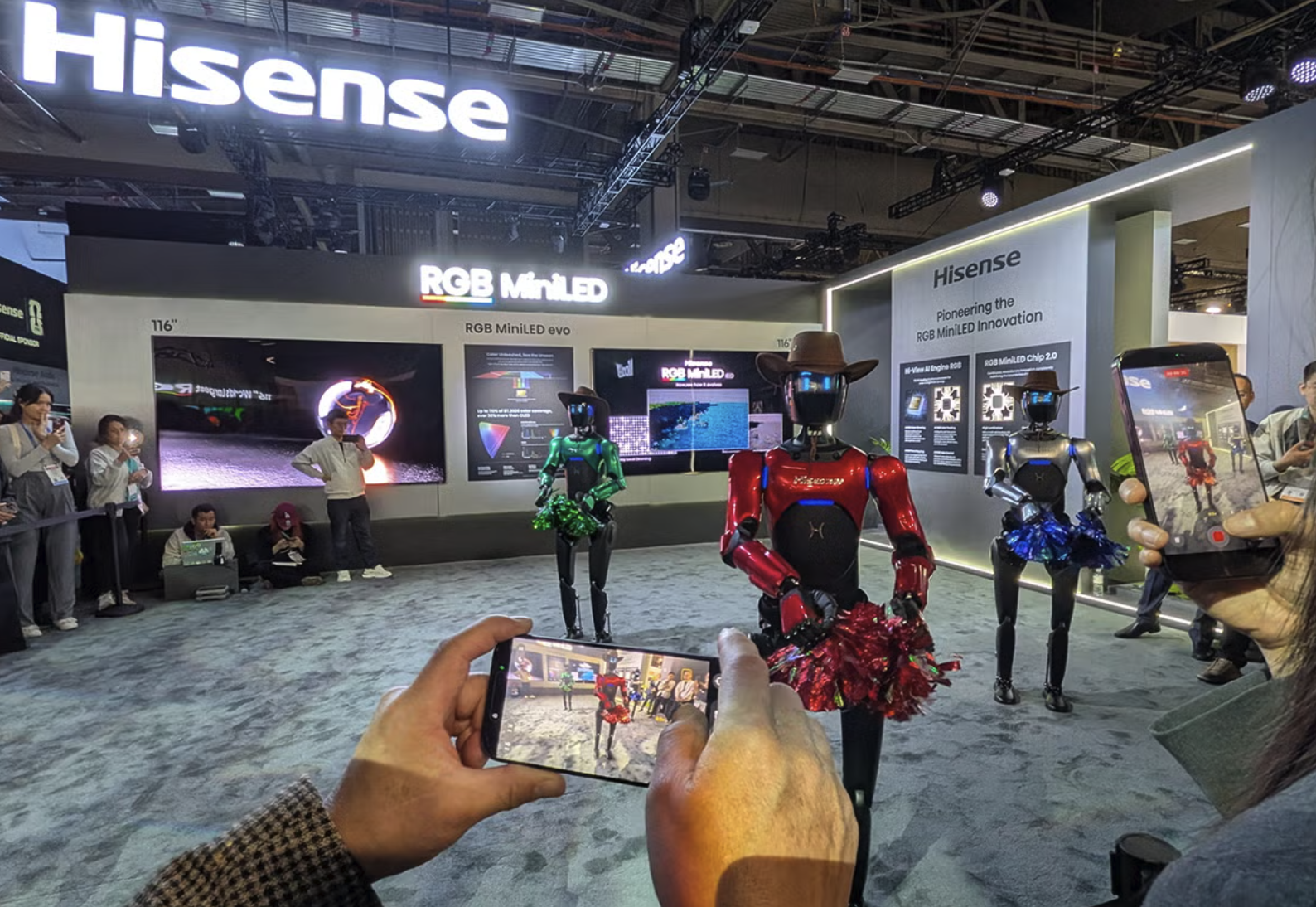
Hisense Sports fan zone
Hisense leaned into its FIFA sponsorship with a full sports fan zone. Games, competitions and product demos blended together to create a high-energy environment where visitors could play, win prizes and explore the brand’s TVs and appliances at the same time.
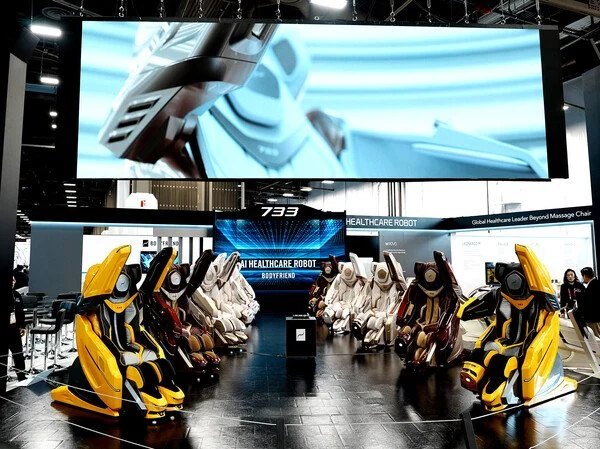
Bodyfriend Viral robot choreography
Massage-chair company Bodyfriend drew crowds by synchronizing its robotic chairs into choreographed performances. The unexpected spectacle stopped traffic and spread quickly across social media, proving that a well-executed moment of surprise can generate outsized attention — even for a product category most attendees wouldn't seek out on their own.
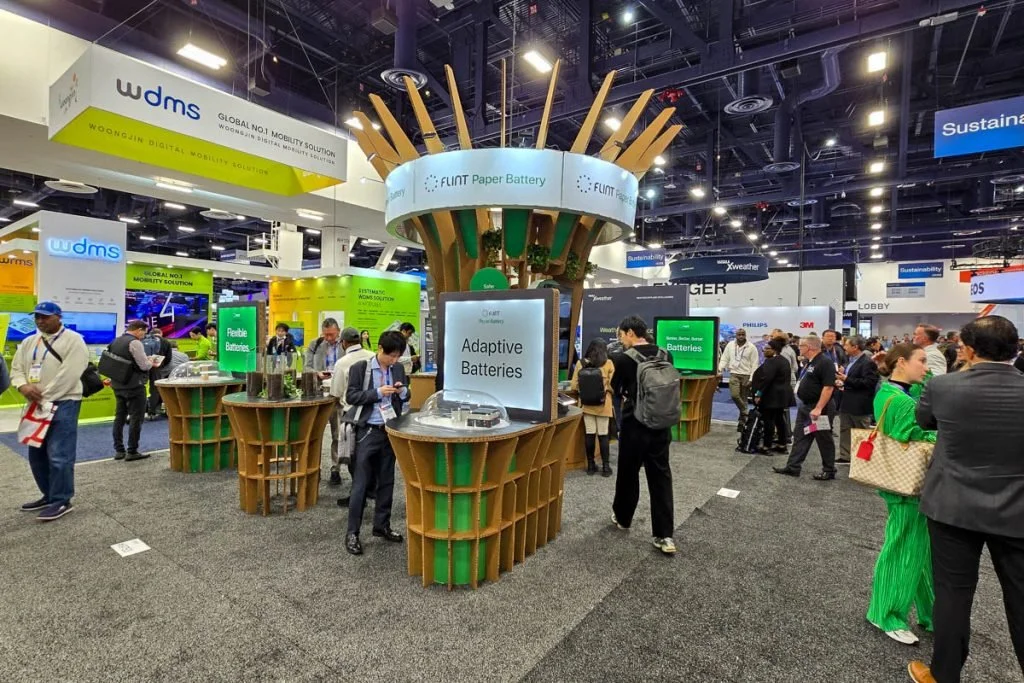
Flint Cardboard forest booth
Battery startup Flint built its entire booth from recycled cardboard, creating a small “forest” that stood out among high-tech displays. The low-tech material choice made the company’s sustainability mission immediately visible and proved that environmental credibility can be communicated through design.
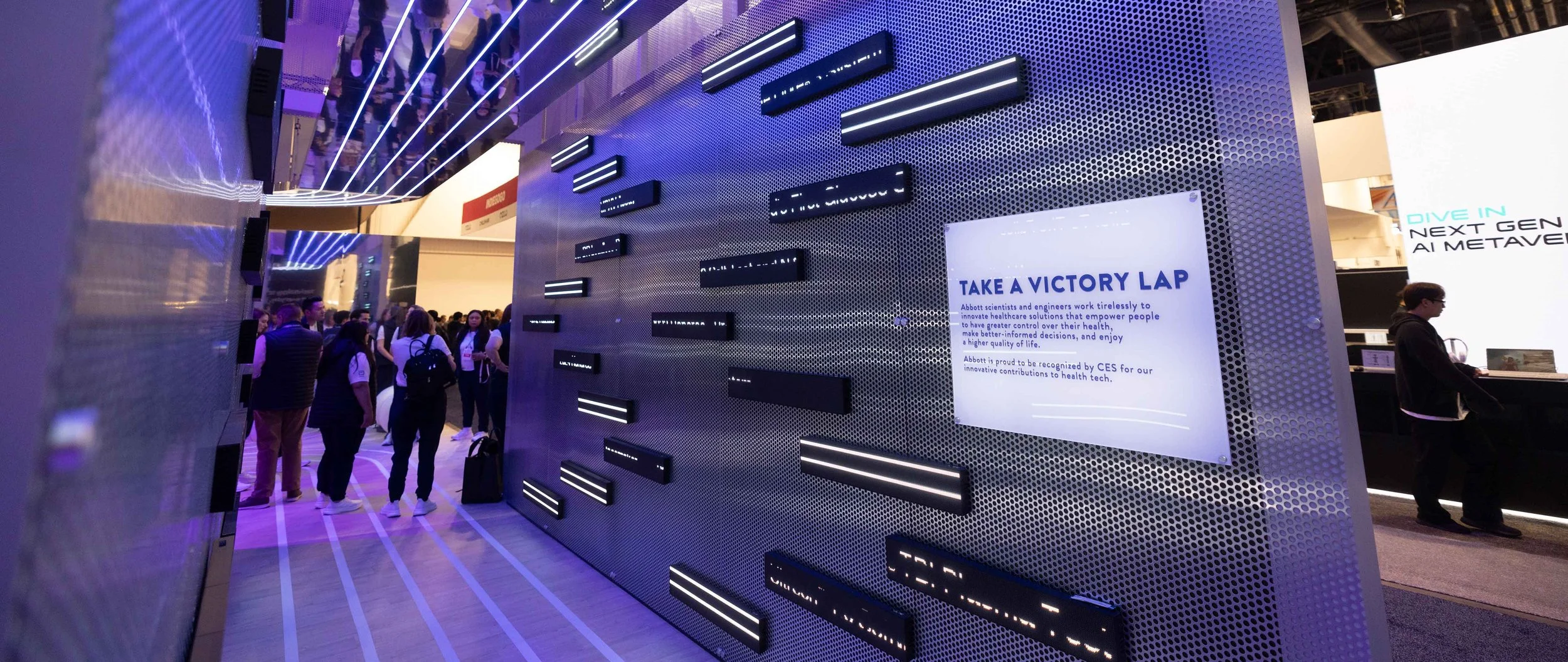
Abbott “Building Your Best Self”
Abbott built a modular health-technology hub using construction-site motifs to frame its wellness devices as works in progress — building toward better health. The standout moment was a mini-clinic where a phlebotomist pricked attendees' fingers for an on-the-spot blood-type test, followed by a short consultation and personalized badge. In a show where most interactions were screen-based, Abbott put something physical and personal in people's hands. It was one of the most talked-about activations on the floor.
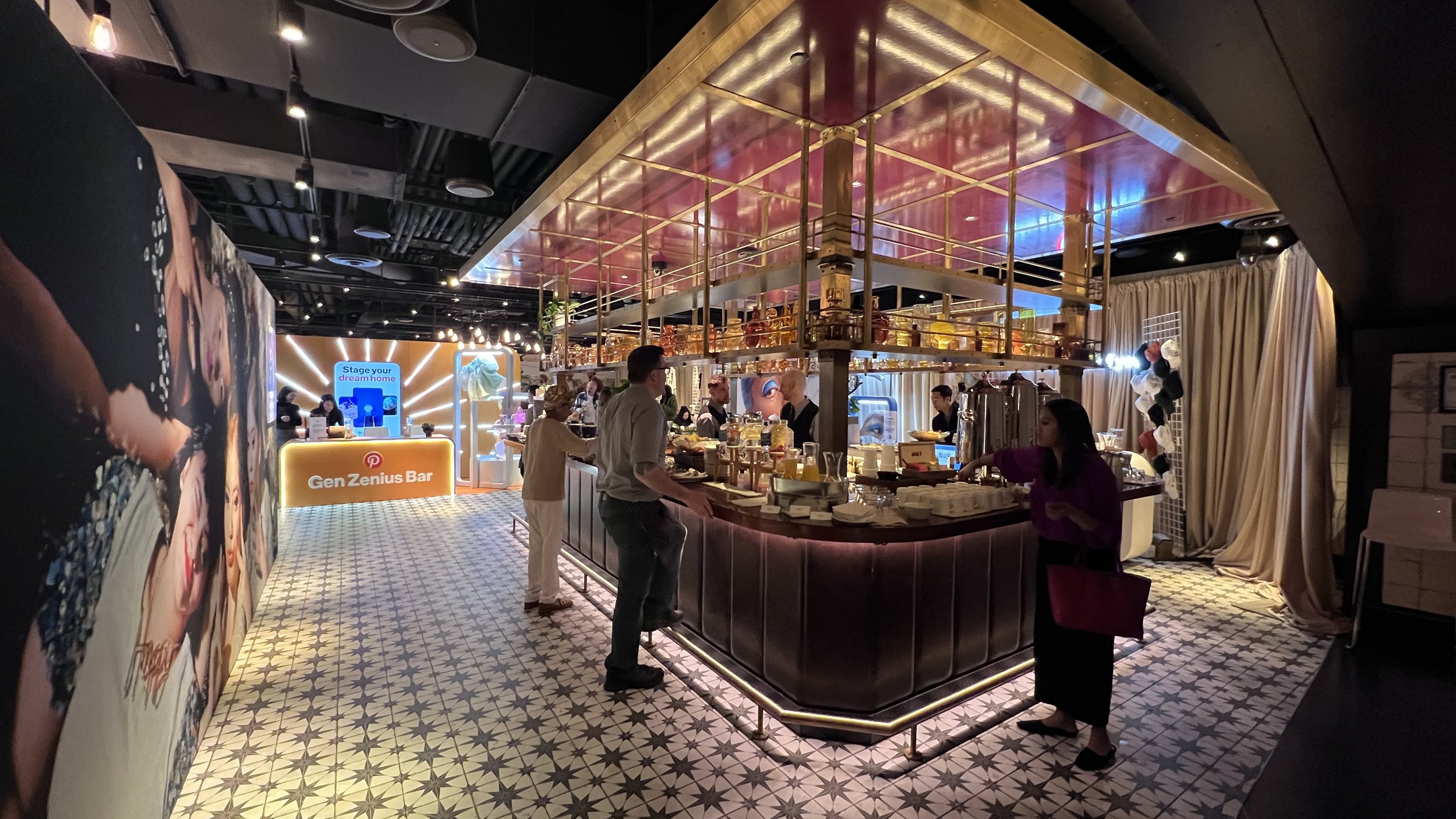
Pinterest Visual search lounge
Pinterest transformed a lounge at The Cosmopolitan into a relaxed discovery space where guests could explore its AI-powered visual search. Trends were displayed like artwork while visitors enjoyed snacks and conversation, turning product demos into a comfortable social experience.
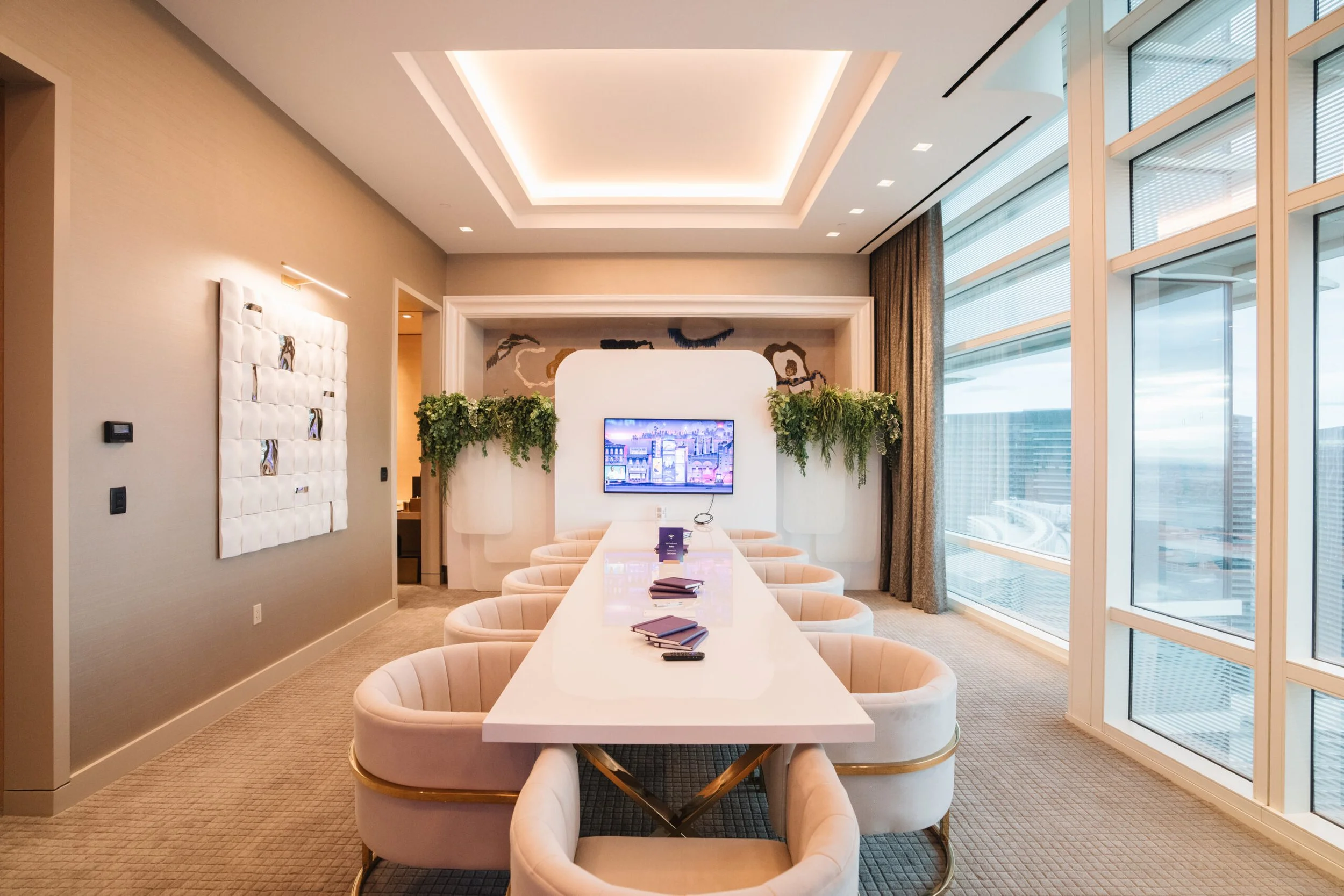
Roku Hospitality suites
Roku stepped away from the show floor entirely, hosting guests in bright, curated suites at Aria. Personalized gifts, a juice bar, massages and styling stations created a calm environment for meetings, showing how hospitality can reinforce brand warmth and deepen relationships.
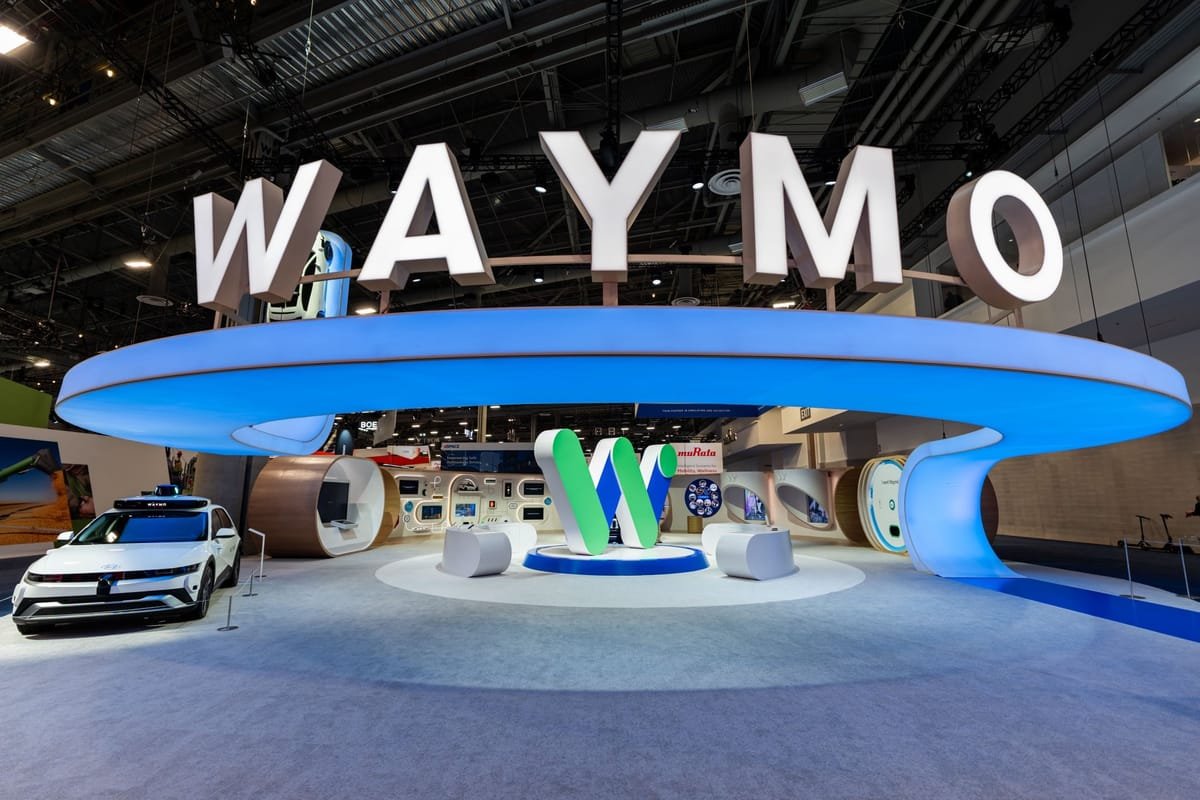
Waymo Floating car landmark
Waymo created one of the show’s most visible landmarks: a floating autonomous vehicle paired with an immersive driver-view simulation. Visitors experienced challenging driving scenarios from inside the system’s perspective, turning autonomous technology into something people could immediately understand.
Strategic Recommendations
For the past several years, CES has been dominated by ideas. AI logos. Concept robots. “Coming soon” prototypes. This year felt different.
AI moved off the slide deck and into real systems. Robots navigating real environments. Software running directly on devices instead of in distant data centers.
Technology that wasn't just imagined, but operating.
That shift changed the tone of the show floor. The brands that stood out didn't try to overwhelm people. They tried to demonstrate something real.
Three implications for how to plan your next major program:
-
With 55% of CES attendees at the senior leadership level, the programs that performed best were the ones designed for evaluators, not browsers. That means fewer introductory messages, more technical depth, and demo paths that respect what this audience already knows.
-
The strongest exhibitors at CES 2026 treated their space as a place where buyers could validate technology for themselves. Working systems, live data, hands-on interaction. The brand story was embedded in the proof — not layered on top of it.
-
The programs that extended their CES investment beyond the show were the ones that built content production into the design: interview setups, demo recording environments, and modular keynote formats ready for post-event distribution. If your content plan starts after teardown, you've already lost the window.

Looking ahead
CES will always be big.
The advantage now belongs to the brands that know how to be clear.
Translate complex technology into something people can understand in minutes. Demonstrate it working. Build the space around proof, not spectacle.
That's what separated the strongest programs at CES 2026 and it's the shift we'll continue tracking.
Turning insights into execution
Want to see how these trends apply to your programs?
Check the box and a Taylor team member will reach out.