
February 17-19 | Orlando
DCW
Signals from Design & Construction Week
From Taylor’s View:
Design & Construction Week brings together two distinct audiences: the design-driven world of KBIS and the construction-driven world of IBS.
For years, those audiences operated in parallel. Designers focused on materials, aesthetics, and user experience. Builders focused on cost, constructibility, and performance.
In 2026, that gap is narrowing. Across both shows, the same priorities are shaping decisions: performance, energy, system integration, and durability. The difference is no longer what matters — it's how it's demonstrated.
The brands that stood out didn't just present products. They showed how those products function within the broader system of the home.

Snapshot
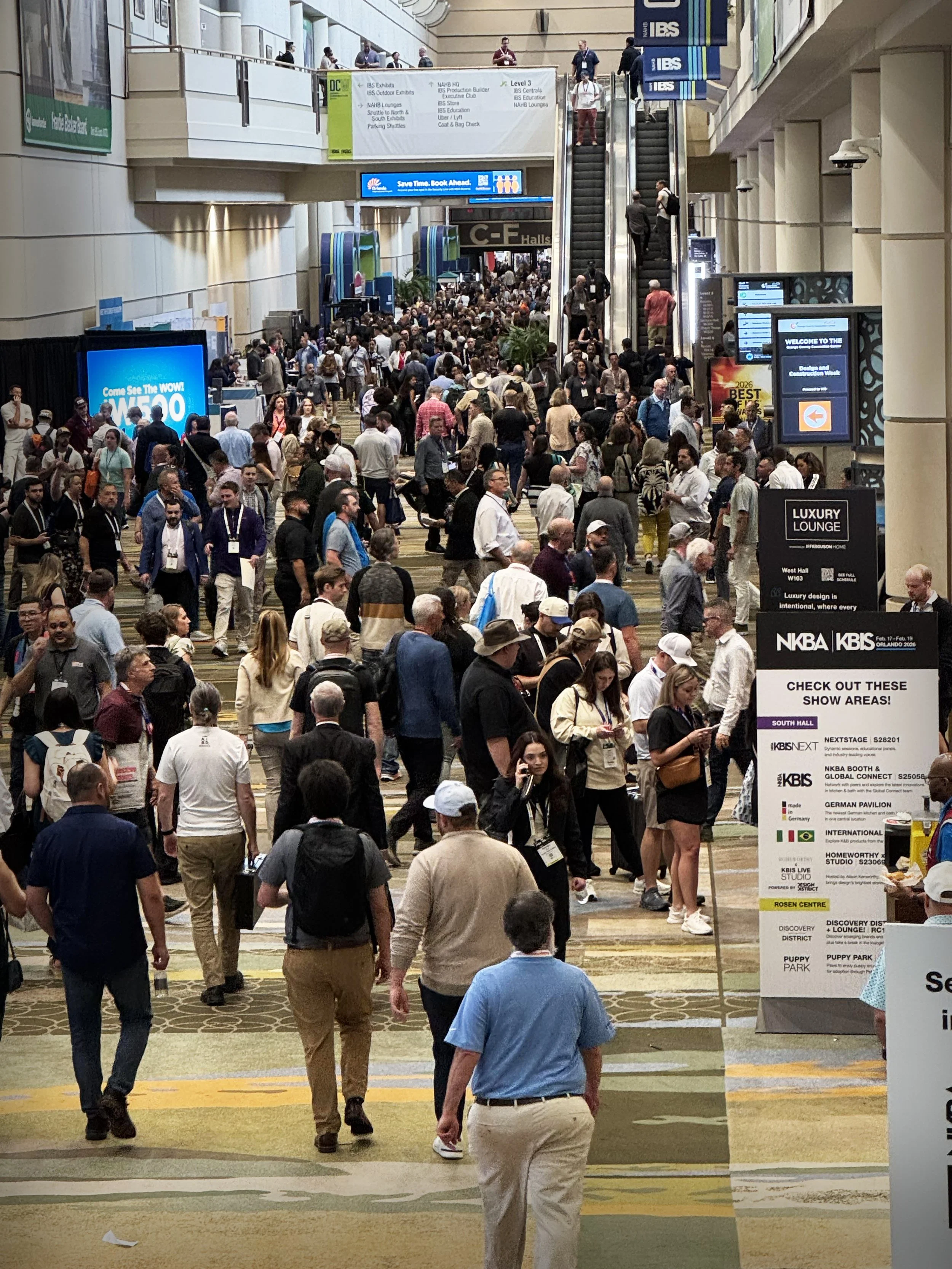
Design & Construction Week
DCW
Largest annual gathering of residential construction and design industry professionals.
117,000 registrants
2,250 exhibitors
1,150,000 NSF
NAHB International Builders’ Show®
IBS
Construction, systems, and delivery.
75,000+ attendees
1,700 exhibitors
Who It’s For
Builders, contractors, developers, trades, and distributors.
What Matters
Cost, efficiency, durability, and code compliance.
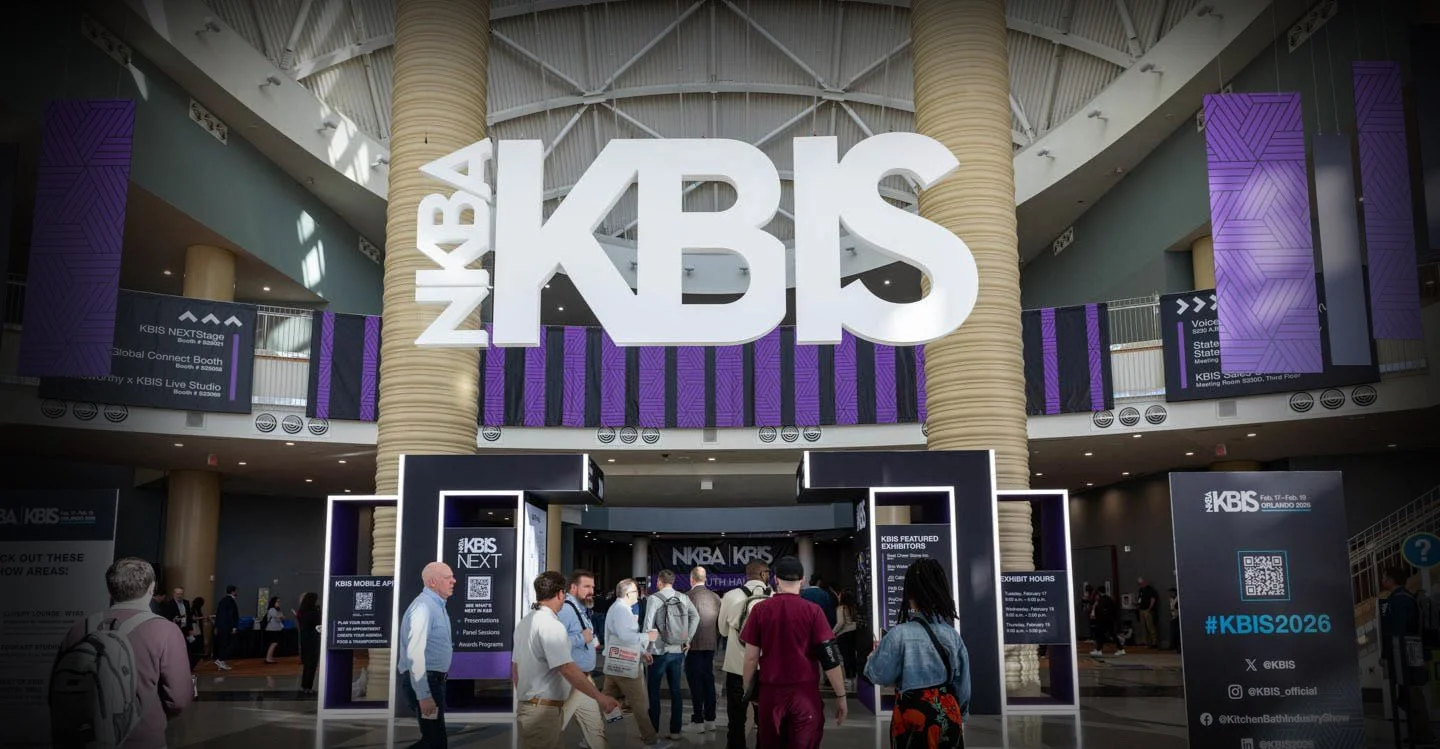
NKBA Kitchen & Bath Industry Show®
KBIS
Design, materials & specification.
40,000+ attendees
700 exhibitors
Who It’s For
Kitchen and bath designers, interior designers, architects, remodelers, and showroom buyers.
What Matters
Aesthetics, user experience, finish quality, and differentiation at the point of sale.
Shared shifts across KBIS and IBS
-
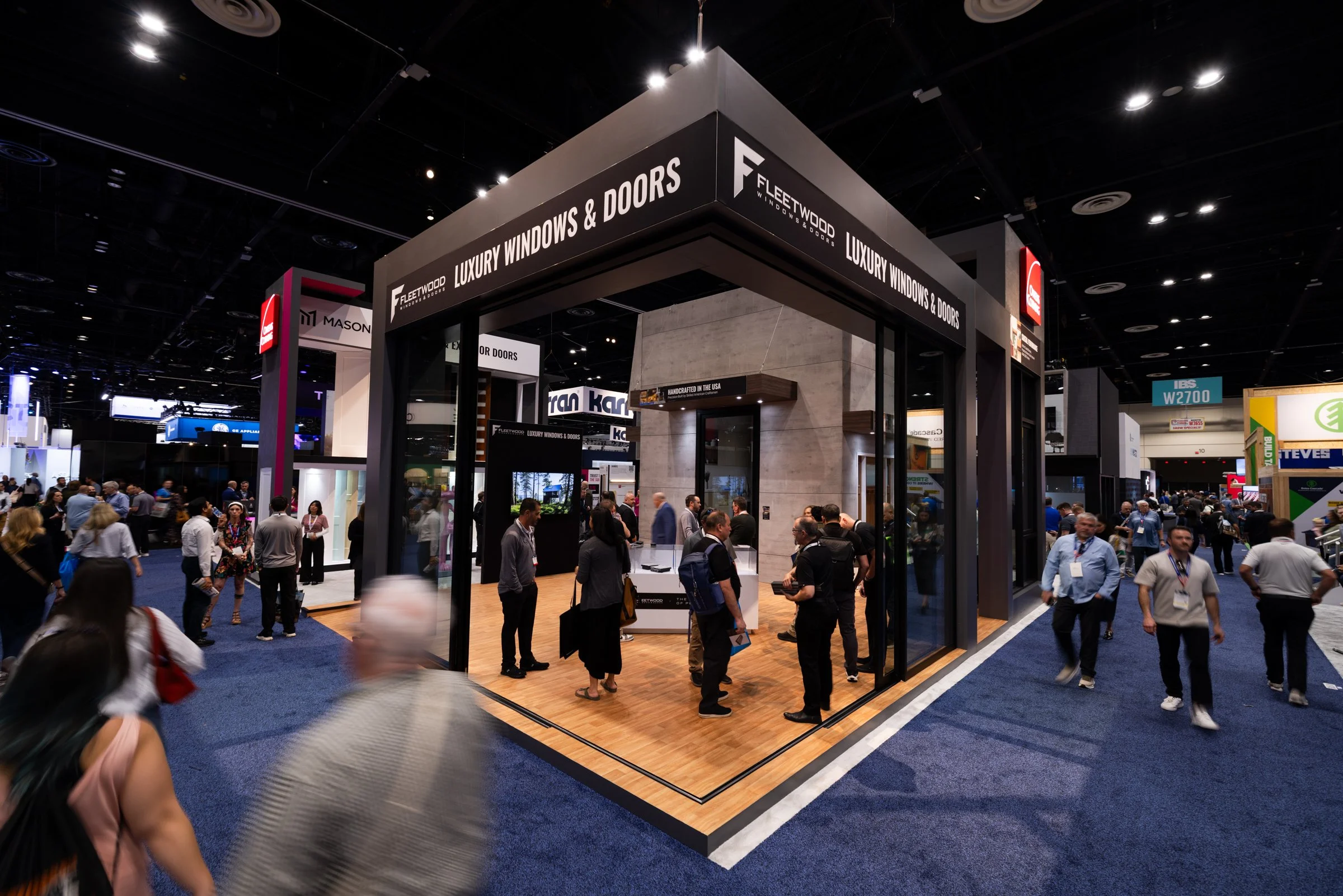
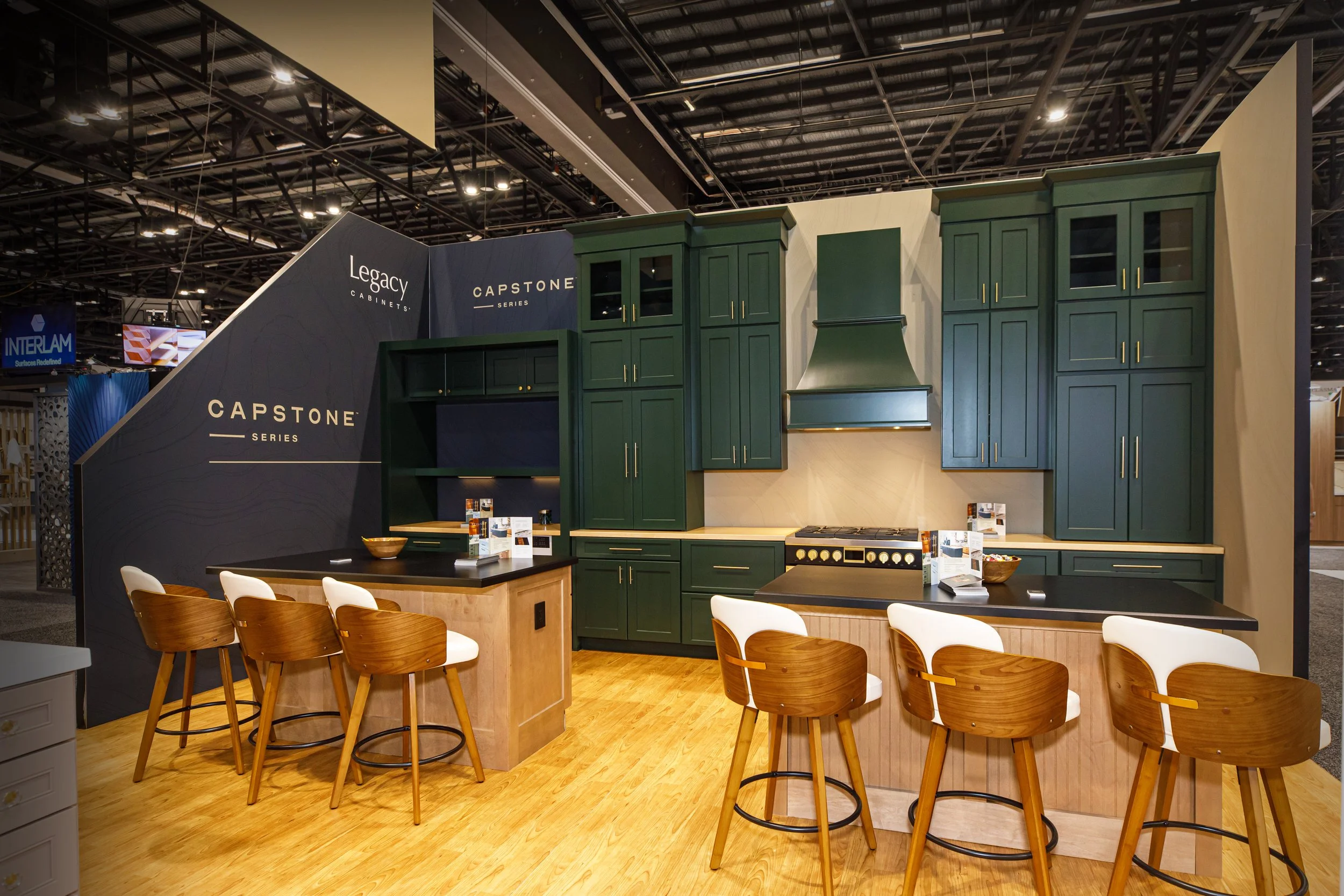
The most effective exhibitors built rooms, not displays. Full-scale kitchens, bathrooms, and model home sections drew the longest dwell times on the floor. If your product lives inside a home, your exhibit should look like one.
-
Appliances connect to energy. HVAC integrates with automation. Materials are selected based on full-structure performance. Single-product storytelling is losing relevance. Programs that show how components connect and affect each other earn more time and more serious conversations.
-
Electric appliances, heat pumps, energy-efficient materials, and integrated energy management were everywhere. This is no longer a feature worth highlighting, It's an expectation worth demonstrating. Exhibitors that treated energy as a proof point rather than a talking point stood out.
-
Technology is being planned as part of the build, not added after. For exhibitors, this means showing integration with the home's systems — not just the product's features. The conversation has shifted from "smart home" to embedded building intelligence, and programs need to reflect that.
From the Floor.
While KBIS and IBS reflect the same industry shifts, they show up differently on the floor.
Designers and builders evaluate products through different lenses. The brands that understood that stood out.
KBIS
Design with accountability
-
Aesthetics still lead at KBIS, but they're now backed by durability, cleanability, and hygiene claims. For exhibitors, that means design-forward environments need to include a proof moment, something the visitor can test, touch, or compare.
-
Buyers are evaluating coordinated environments, not standalone appliances. Programs that show how products interact across the kitchen outperform single-product showcases.
-
Comfort, accessibility, and water optimization are expected, not differentiating. Exhibitors still leading with wellness as a headline are behind the audience.
-
Durability, sustainability, large-format applications. Material brands that let visitors evaluate in seconds outperformed those that required explanation.
IBS
Efficiency, speed, and buildability
-
Labor pressure and cost pressure are real. The products that drew crowds saved time or eliminated steps on-site. For exhibitors, if you can't show a builder how your product makes their job faster, you're not speaking their language.
-
How a product gets installed is now part of its value. The strongest exhibits showed the process, the tools, and the time to complete. Builders don't want to imagine the install. They want to see it.
-
Engineering-heavy categories are being made easier to evaluate through visual proof and simplified messaging. For exhibitors in insulation, structural systems, or building envelope, the programs that won made the decision faster, not more impressive.
-
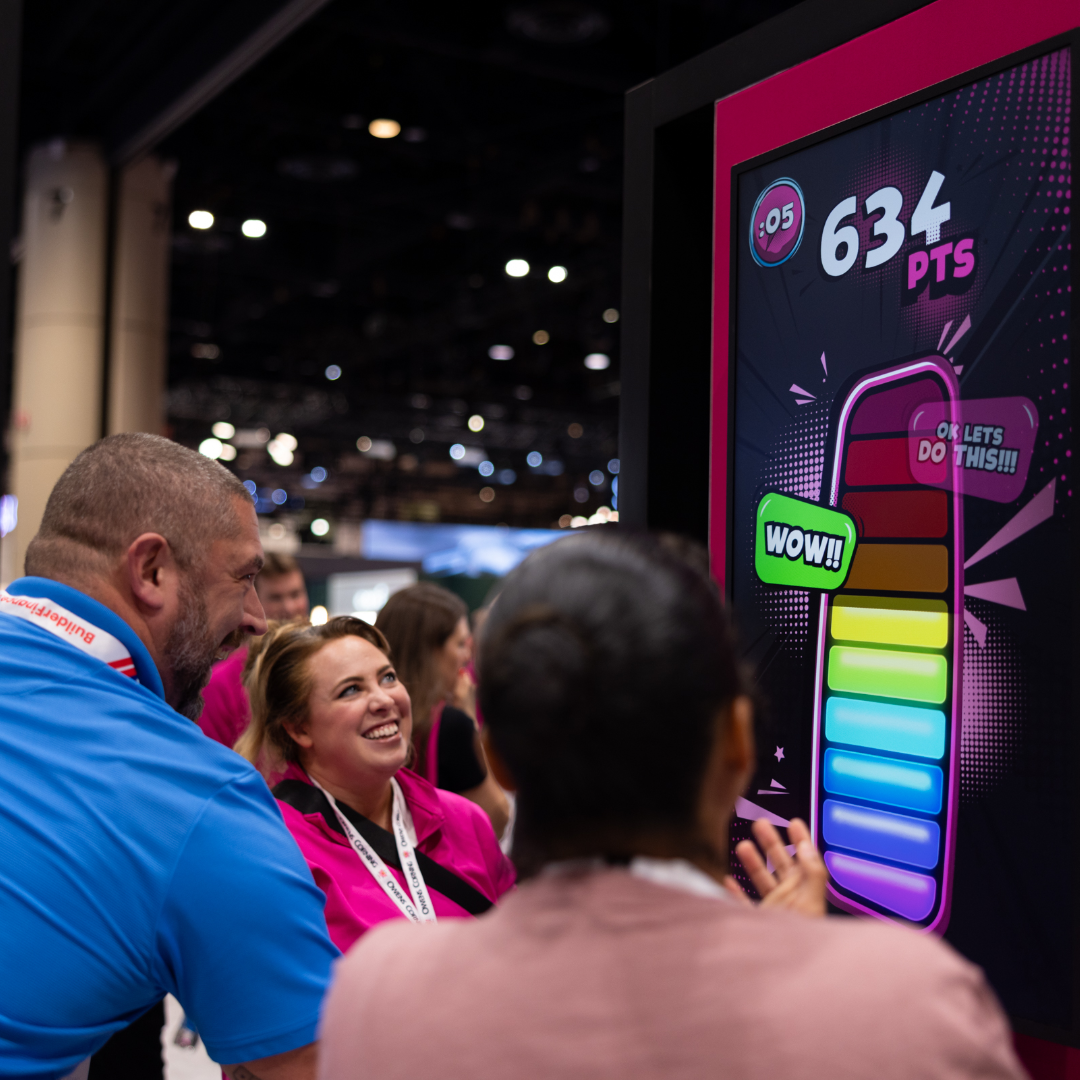
Project management tools and early AI applications are gaining traction with builders. Exhibitors demonstrating practical, job-ready technology stood out from those still pitching future possibilities.
Standout Experiences
These experiences show how a handful of companies translated those principles into real experiences across the show.
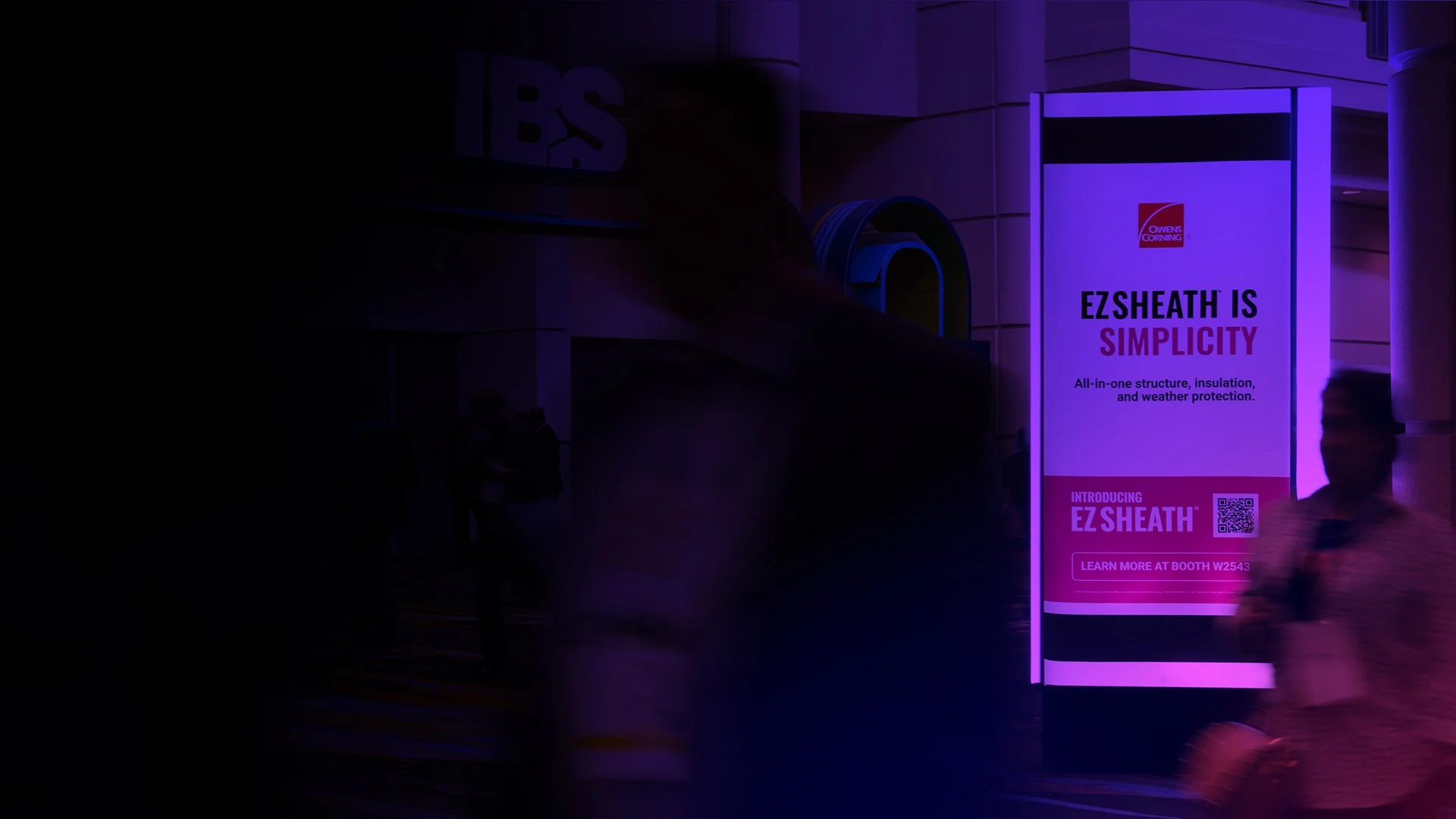
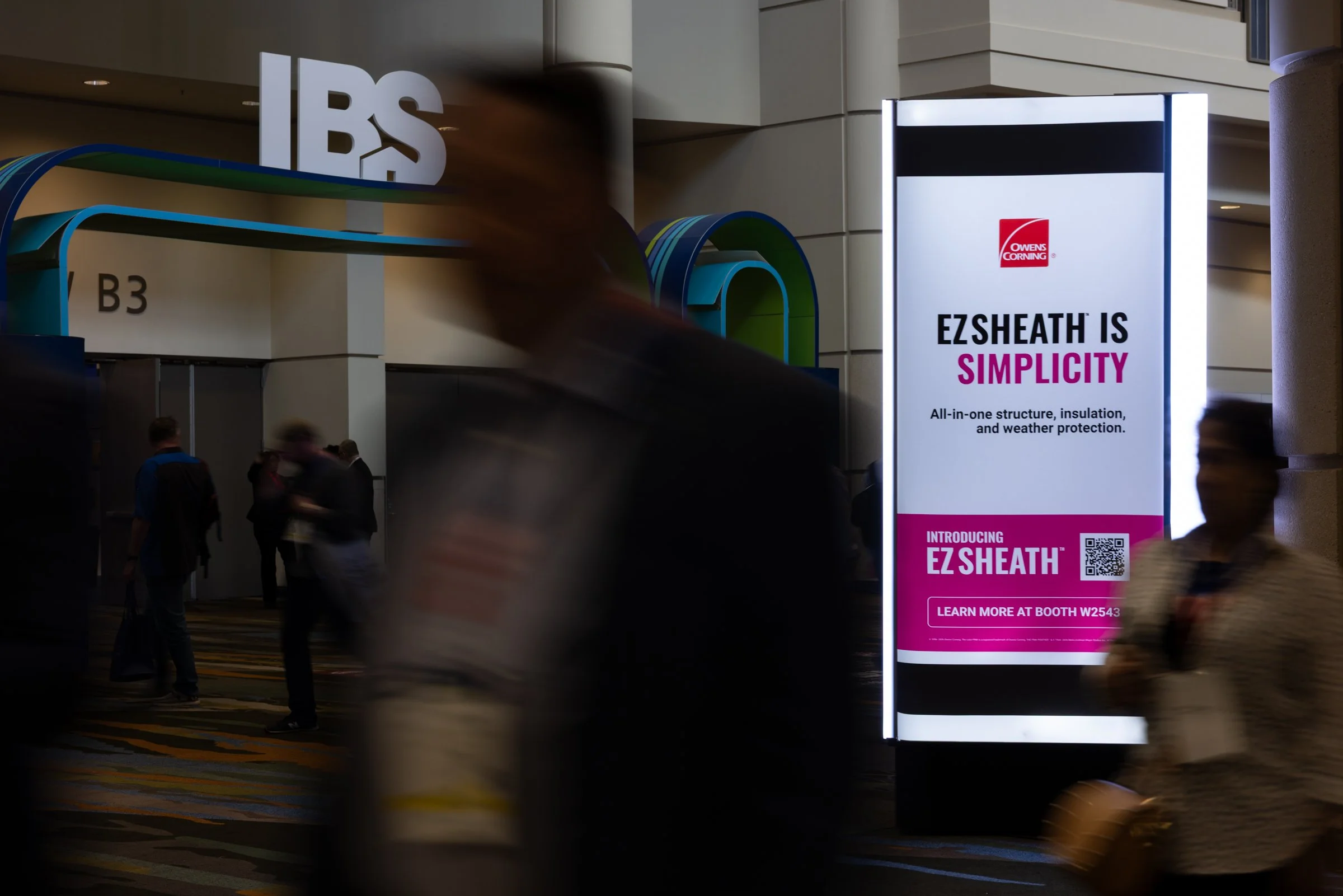
Owens Corning IBS
What we built
Owens Corning moved beyond individual product categories and presented a clear, integrated building envelope story. Insulation, roofing, and composite materials were positioned together to show how performance is achieved at the system level, not through isolated components.
Why it worked
The environment focused on real outcomes — energy efficiency, thermal performance, and durability explained through how the full structure performs, not just product specifications. The messaging was simplified, visual, and easy to follow, making a complex topic accessible to a builder audience.
Performance is no longer tied to a single product.
It’s defined at the system level.
More from the floor
Kohler KBIS
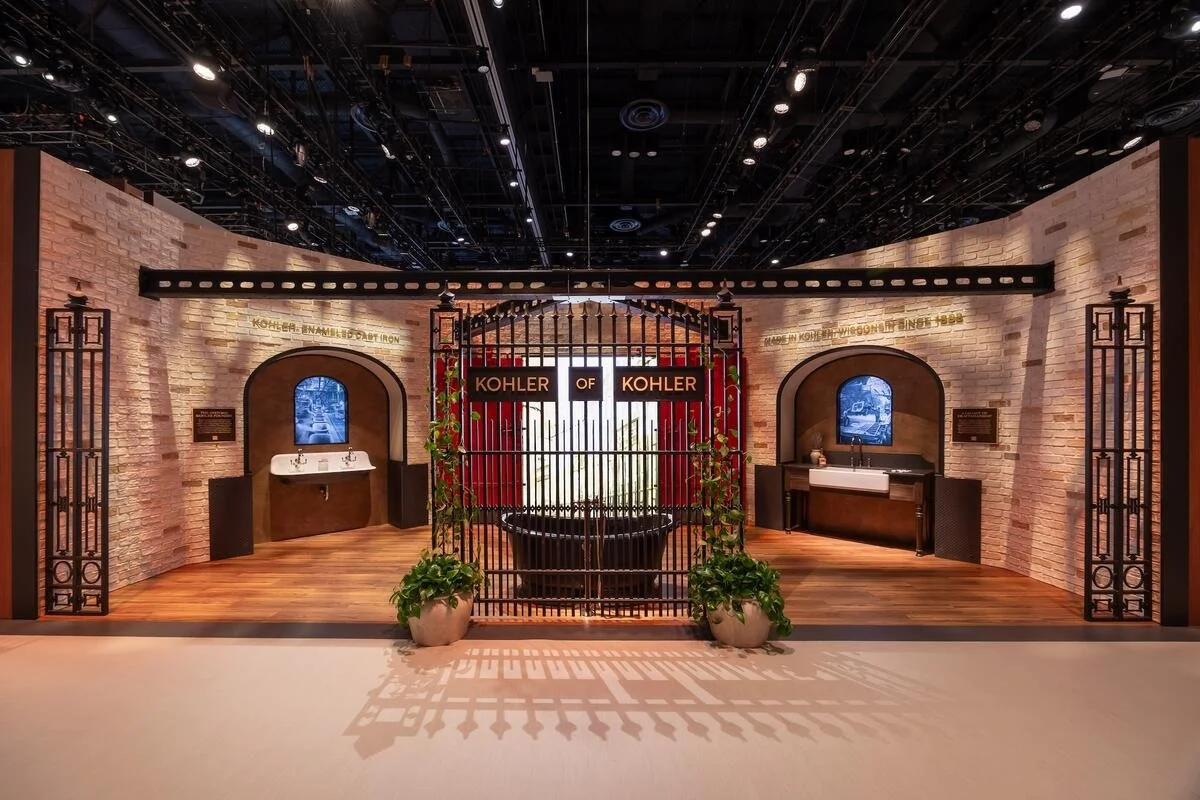
Winner of the 2026 Best in Show Booth Award, Kohler delivered one of the more immersive experience on the KBIS floor. Cascading fountains, bubbling bathtubs, and a digital tunnel projecting moving water drew visitors into a series of lifestyle vignettes, from sauna-inspired showers to a mahogany kitchen to a teal bathroom suite that became one of the most photographed spots at the show. Every surface demonstrated something functional.
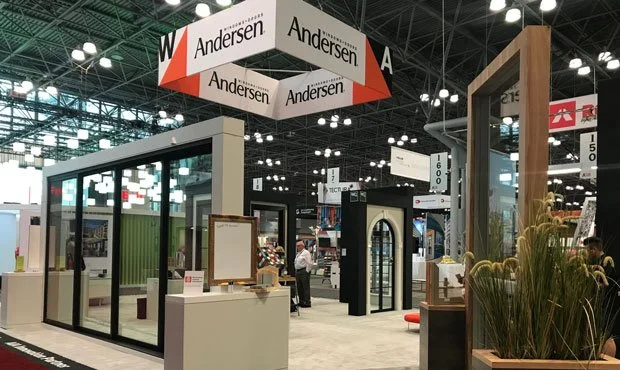
Andersen IBS
Large-scale installations showed real-world application with a strong focus on energy efficiency and performance — making window and door systems tangible in a way that spec sheets can't.
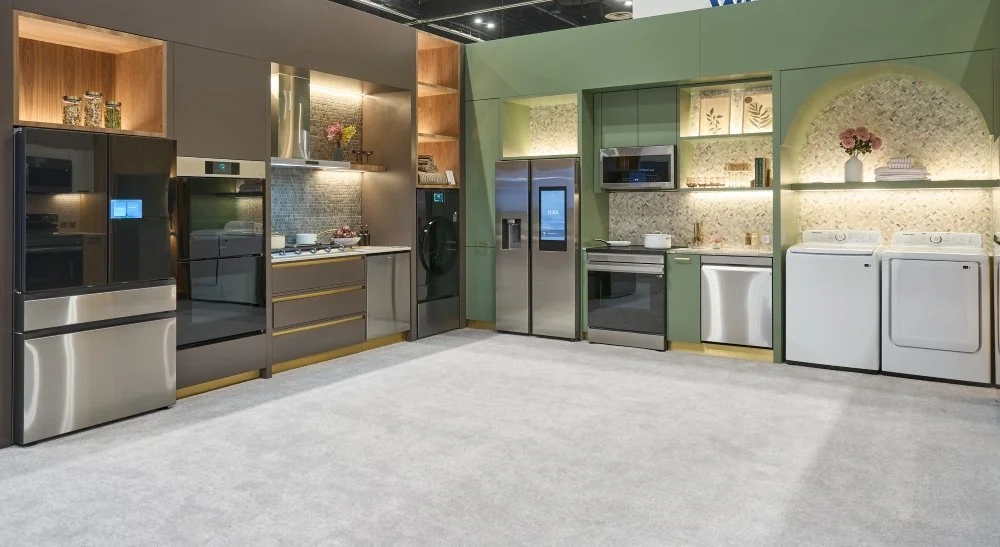
Samsung KBIS
A fully connected kitchen ecosystem showcasing SmartThings integration across the Bespoke appliance line. The live AI sketch activation personalized the experience for each visitor, turning a product demo into an interactive moment.
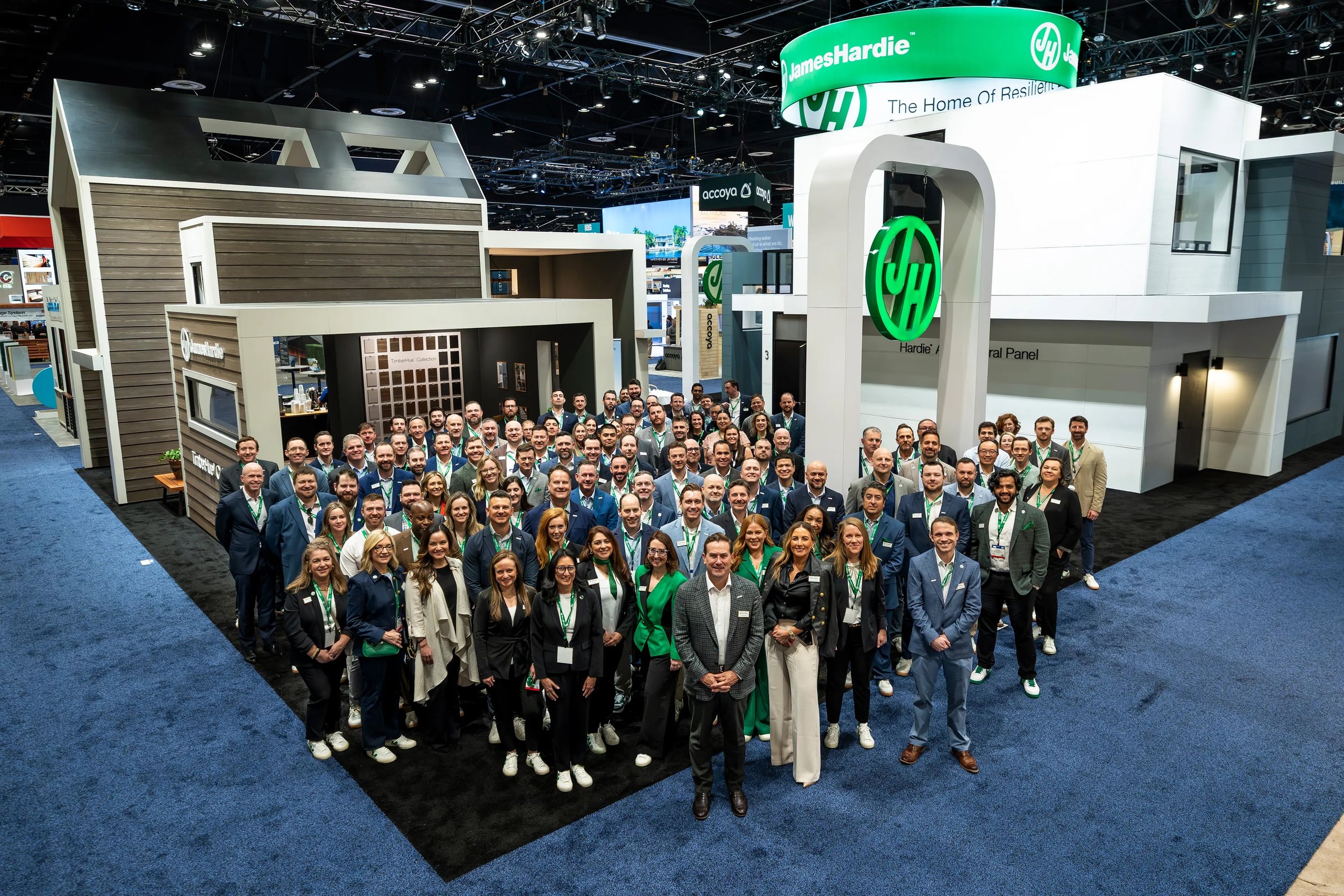
James Hardie IBS
Full-scale exterior builds showed fiber cement siding in real application, making durability, weather resistance, and installation speed easy to evaluate at a glance. For a builder audience, seeing the product on a wall — not a sample board — made the difference.
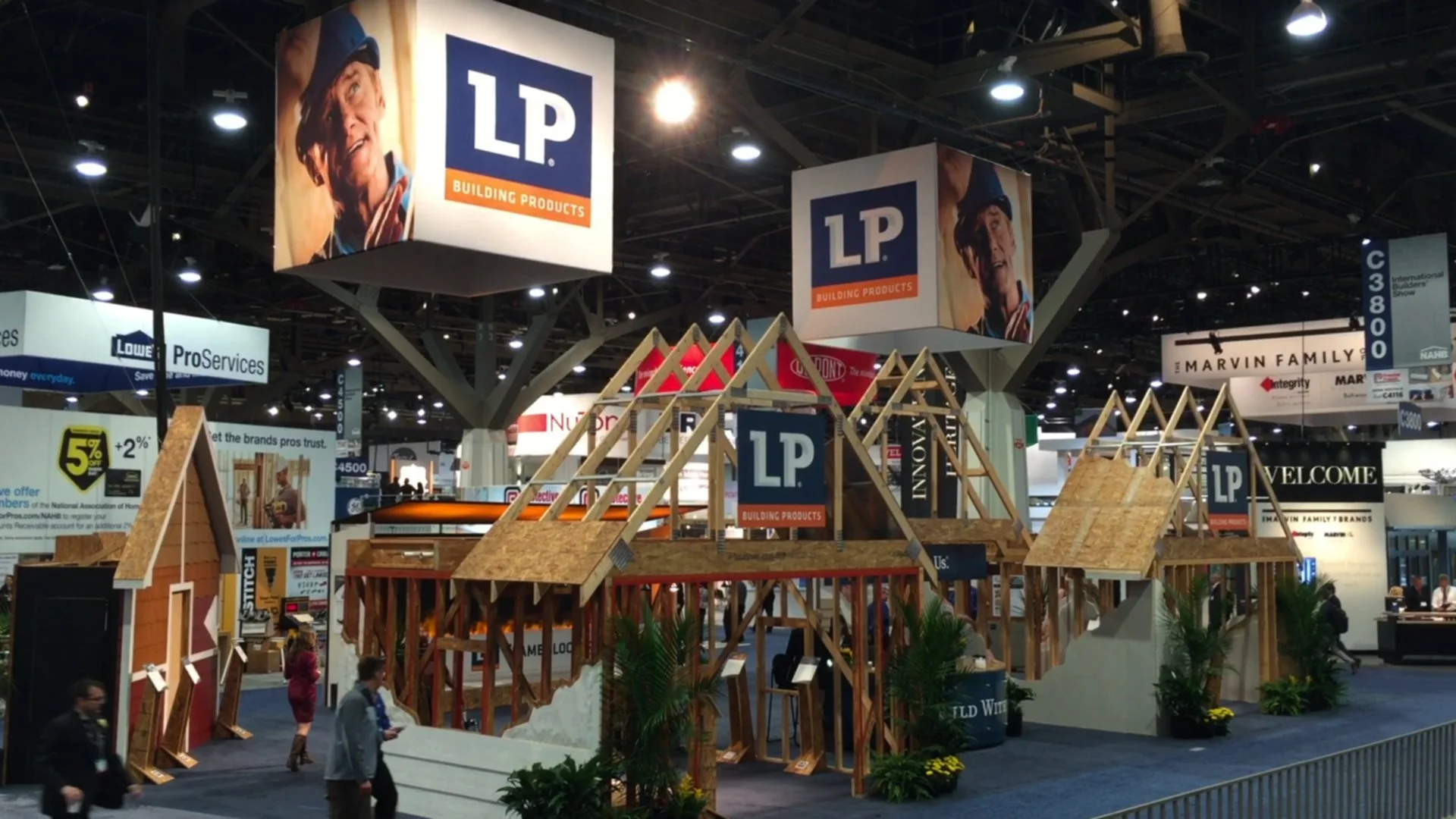
LP Building Solutions IBS
Engineered materials positioned around durability and installation efficiency with clear, contractor-focused messaging. The exhibit spoke directly to how builders actually evaluate products — speed, reliability, fewer callbacks.
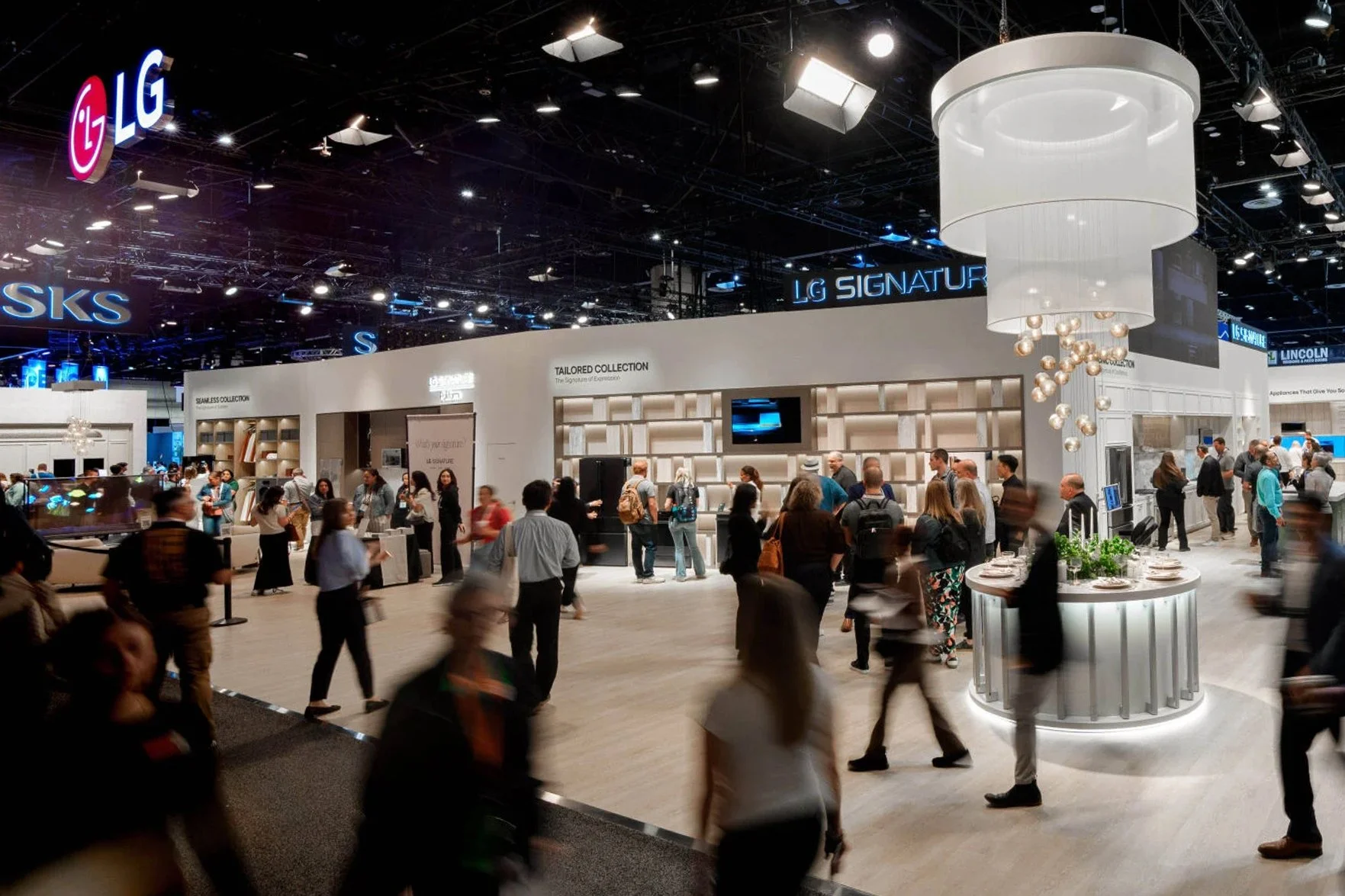
LG KBIS
Large-scale, interactive appliance displays focused on energy efficiency and connected living, reinforcing LG's position across both the design and performance conversation.
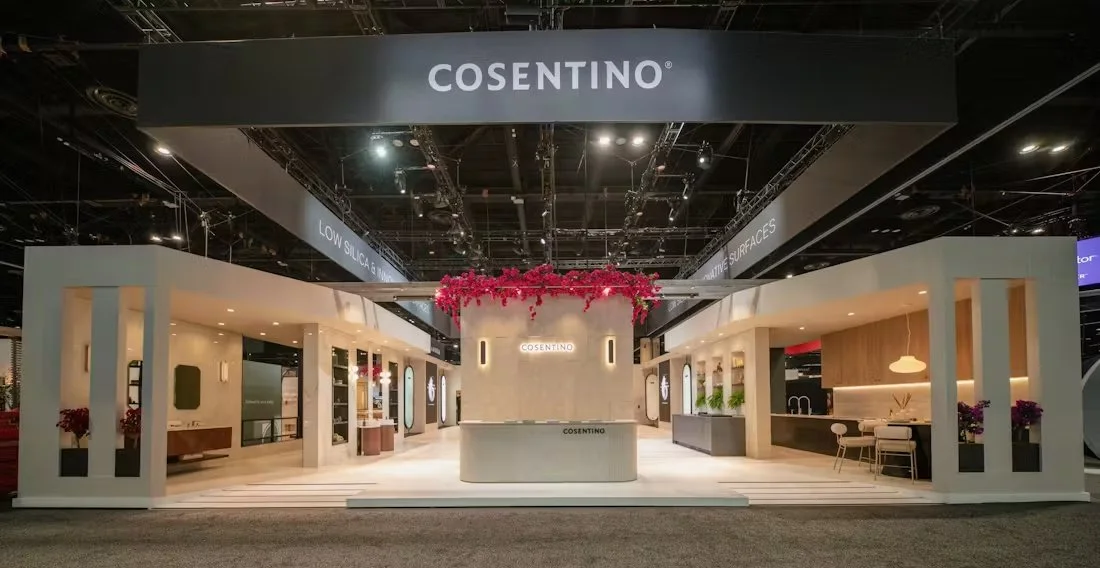
Cosentino KBIS
Engineered surfaces displayed in large-format applications that let designers and specifiers see and touch the material at scale. The booth emphasized real-use durability and design versatility, making it easy to envision the product in a finished space.
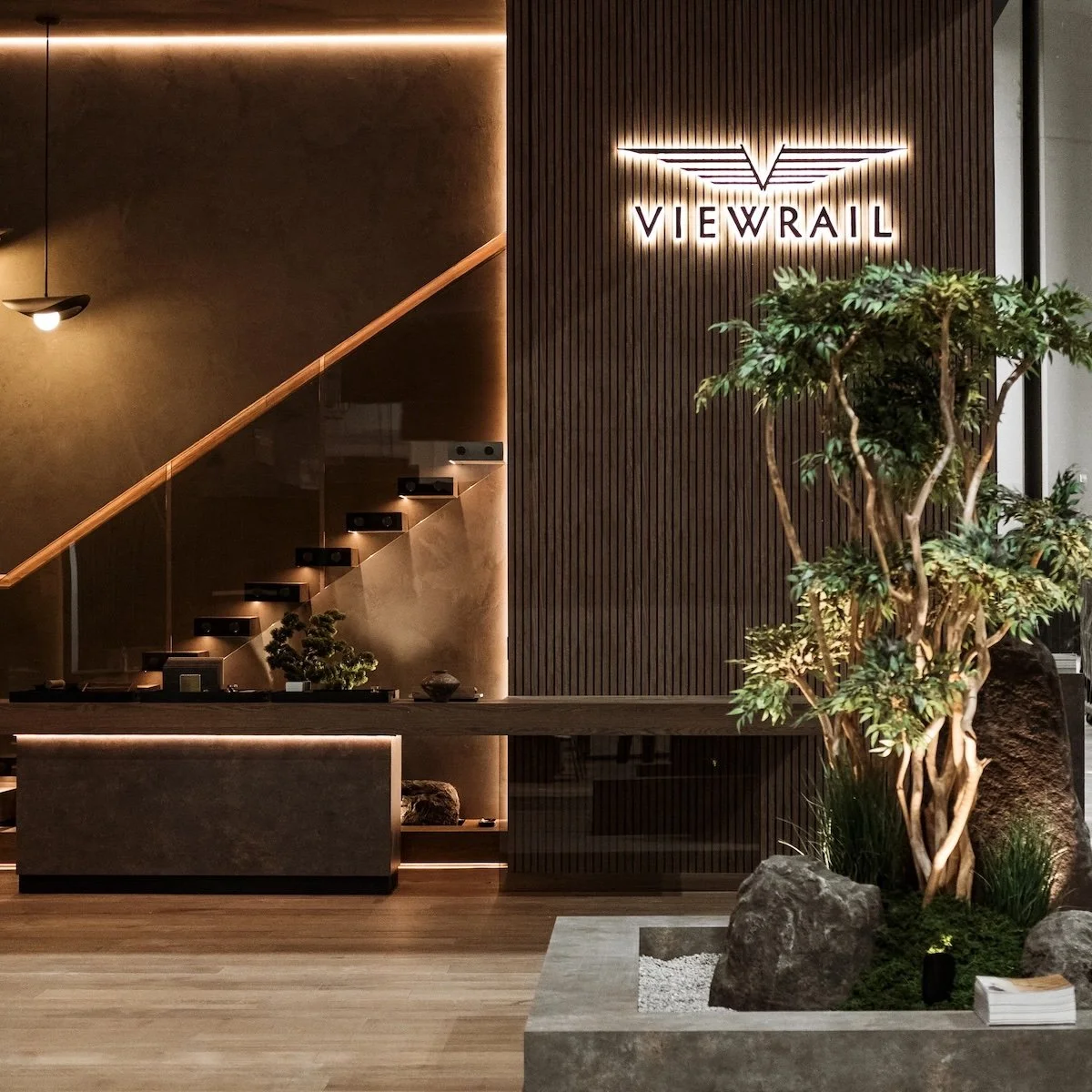
Viewrail IBS
Architectural stair and railing installations showed how design, fabrication, and installation come together in a clean, real-world context — a standout example of how a product becomes more compelling when you see the full system assembled.
Strategic Recommendations
What showed up on the floor points to a clear shift in how both audiences evaluate and buy. Products are no longer judged in isolation. They're assessed on performance, system fit, and how fast that value can be understood.
This shift changes how experiential programs need to be designed.
-
The exhibits that performed best at DCW built rooms, not booths. Full-scale environments, kitchens, bathrooms, exterior builds, gave attendees the context to evaluate products the way they'll actually be used. Your exhibit should resemble your product lives in.
-
The same product is evaluated differently at KBIS and IBS. Designers are looking at experience, aesthetics, and usability. Builders are looking at efficiency, installation speed, and performance. Programs that adapt what they demonstrate and how they explain it — based on who's standing in front of them — earn more credibility and more time.
-
Both audiences are time-constrained. The exhibits that won at DCW communicated value in seconds through visual proof, side-by-side comparisons, and simplified messaging. If visitors have to work to understand what your product does, they'll move to the competitor that makes it obvious.
The Bottom Line
The standard has shifted.
Experiences at DCW are no longer about presenting products. They're about proving performance within a system.
That's the shift we'll continue tracking.
The brands that won showed how design and efficiency work together inside the home.
Turning insights into execution
Want to see how these trends apply to your programs?
Check the box and a Taylor team member will reach out.